Tire and inflation gear
Tire Pressure Gauge Buying Guide
How to choose a tire pressure gauge by type, readability, units, pressure range, durability, and features.
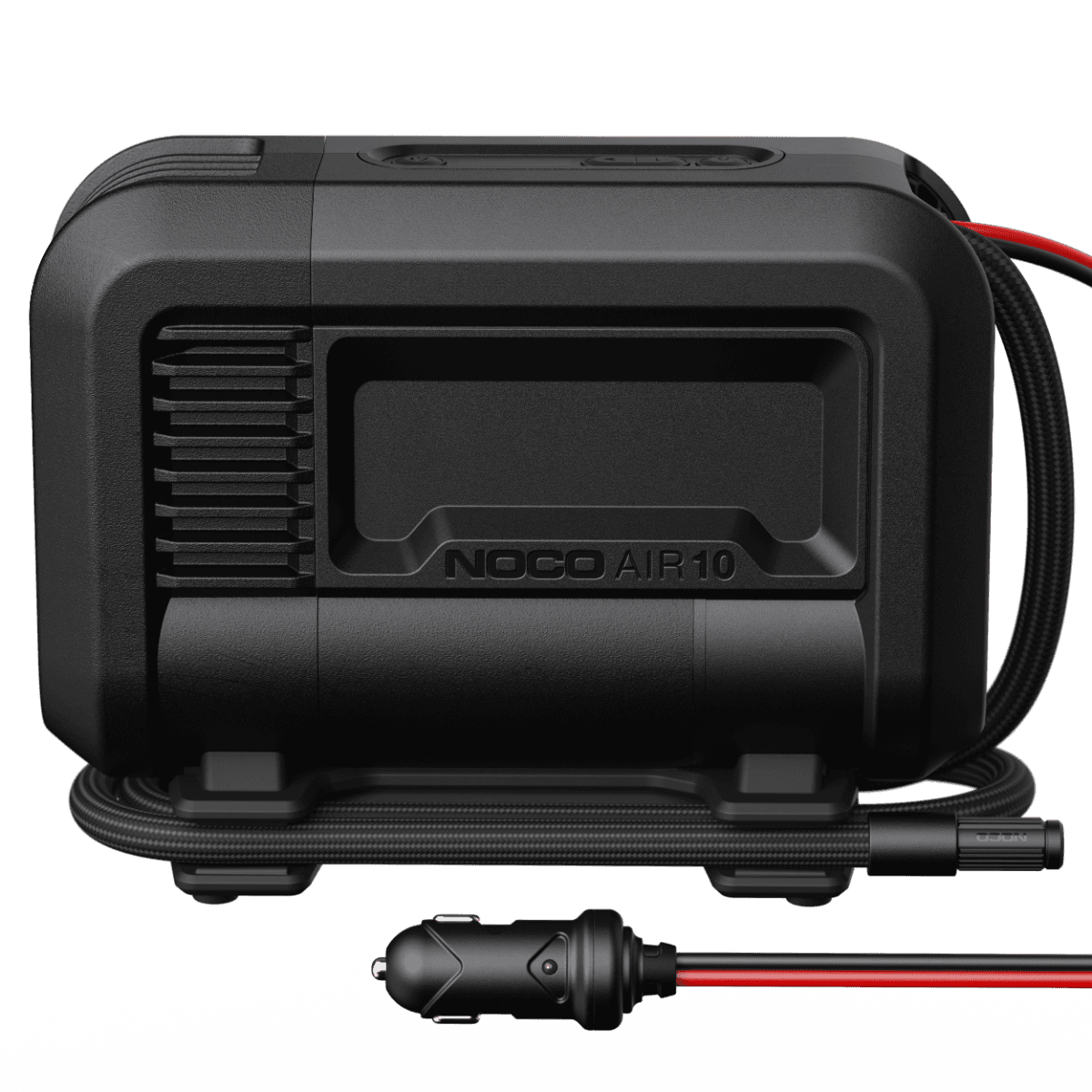
What to know first
Choose a tire pressure gauge that is easy to read, covers your needed pressure range, fits your storage habits, and uses units you understand.
- The vehicle placard gives target pressure.
- Readability matters in low light or bad weather.
- A gauge is small enough to keep in most kits.
Start with the job
Start with the exact job the tire pressure gauge needs to do in your vehicle. Then check power, storage, maintenance, and manufacturer instructions. A product that looks convenient online can be the wrong fit if it is too large to store, uses a power source you will not maintain, or depends on compatibility the listing does not clearly document.
Check fit before buying
Use the vehicle owner's manual, tire placard, and product instructions as the controlling sources. This site can explain what to compare, but it should not replace vehicle-specific requirements or product operating directions.
- Confirm the product's stated vehicle or use-case fit.
- Check dimensions, weight, charging, and storage limits before buying.
- Review warranty and replacement-part availability where relevant.
Relevant gear path
Next gear choices
Use the tire placard for target pressure, then choose gear that fits your power source, storage, and routine.
How to use this guidance
Use the vehicle tire placard as the target-pressure source, then choose gear that makes checking or adding air realistic for your routine.
Checks that matter
- Confirm pressure range, display readability, and units.
- Check hose and cord reach against tire position and vehicle outlet location.
- Review duty cycle, battery maintenance, and operating limits.
Important limitation
Inflators and gauges do not repair tire damage. Visible tire damage or pressure loss needs tire-professional guidance.
FAQs
What question does Tire Pressure Gauge Buying Guide answer?
Explain tire gauge buying factors. Choose a tire pressure gauge that is easy to read, covers your needed pressure range, fits your storage habits, and uses units you understand.
What should I verify for gauge buying guide?
Use the tire placard for target pressure, then check pressure range, power source, hose or chuck reach, operating limits, and whether the product is realistic to keep in the car.
Does this replace the vehicle manual?
No. Your vehicle manual, tire placard, and product instructions control compatibility, pressure, charging, storage, and use.
Does this gear make a roadside stop safe?
No product or checklist can guarantee safety. The goal is to help you organize practical gear and understand limitations before you buy.
Sources
- Summer Driving & Road Trip Tips, NHTSA. Checked 2026-10-18. Baseline road-trip vehicle checks and roadside-kit contents.
- Winter Weather Driving Tips, NHTSA. Checked 2026-10-18. Baseline winter vehicle-preparation and emergency-supply guidance.