Roadside visibility gear
Car Emergency Flashlights And Headlamps
Choose car-kit flashlights and headlamps by runtime claims, battery type, controls, size, water resistance, and tradeoffs.
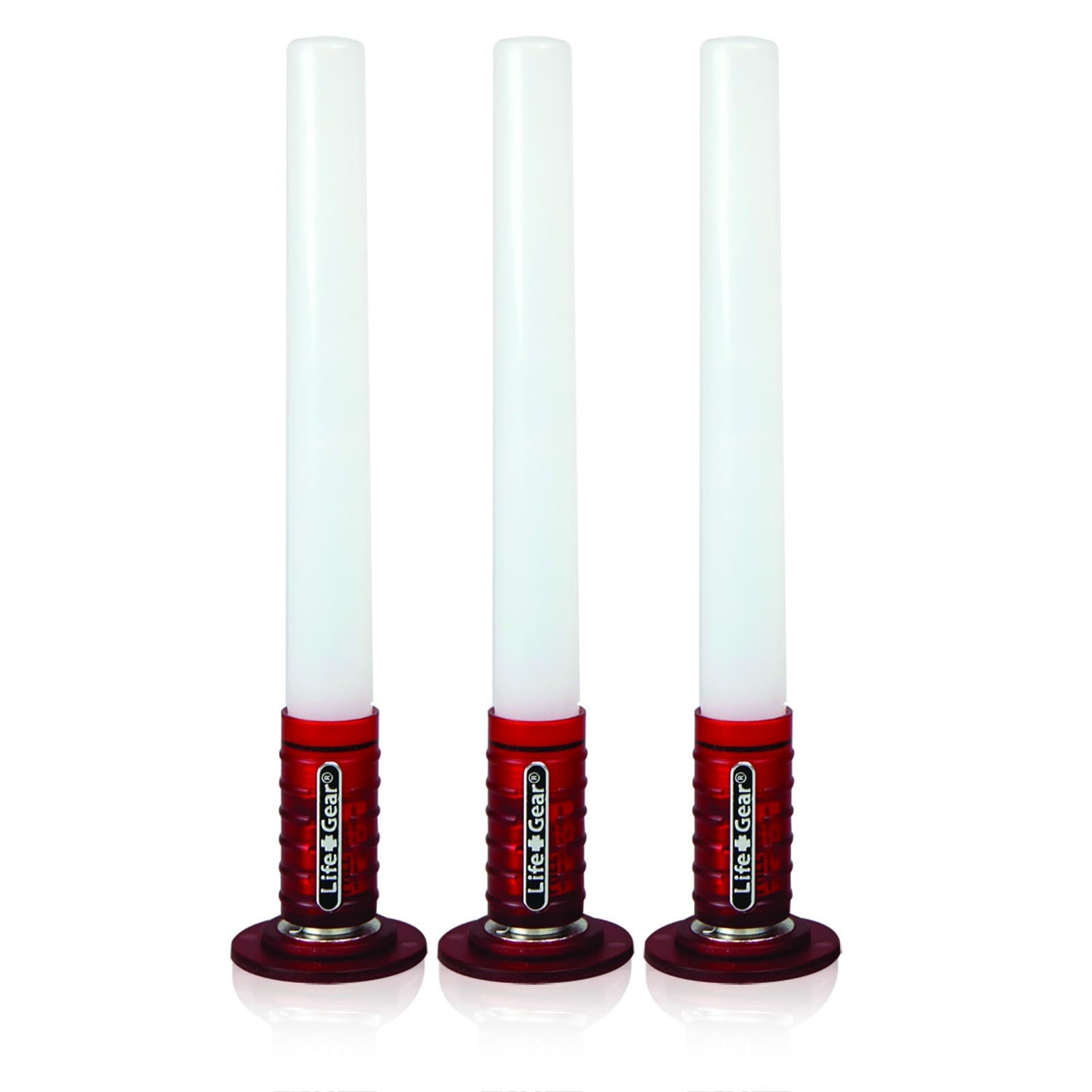
What to know first
Choose a flashlight for simple handheld use, a headlamp for hands-free tasks, or both when storage and battery maintenance are manageable.
- Runtime claims should be treated as manufacturer-stated.
- Battery type shapes maintenance.
- Water-resistance ratings need documentation.
How We Narrow The Field
A car emergency flashlight or headlamp recommendation should start with documented fit, not popularity. Suitable products need a current model name, direct manufacturer documentation, clear storage and power requirements, warranty information, and a current availability check. Customer-review patterns can reveal recurring complaints, but they cannot replace the manufacturer source record.
- Manufacturer documentation is preferred for specifications and compatibility.
- Retail listings are used only to confirm availability, included accessories, and destination URLs.
- Price is not treated as current unless it can be displayed under the affiliate program rules.
What The Comparison Should Show
The useful comparison is not a generic winner list. It should show which driver each option fits, what the product is designed to do, what it does not solve, and what still belongs in the vehicle kit. Any best-for label needs a visible reason and a meaningful tradeoff.
- Best-fit use case and reason.
- Verified specification highlights with date checked.
- Important limitation or reason to choose another option.
- Affiliate disclosure before any retailer link.
Relevant gear path
Next gear choices
Separate vehicle warning devices, personal visibility, and task lighting before buying.
How to use this guidance
Separate passive visibility, active lighting, and personal visibility. Warning devices, flashlights, and reflective apparel solve related but different problems.
Checks that matter
- Confirm battery type or passive operation.
- Check documented standards or certifications before relying on marketing claims.
- Plan storage so gear is reachable without unpacking the whole trunk.
Important limitation
No visibility product guarantees safety or legal compliance. Do not enter traffic or place equipment in a hazardous location.
How we compare options
| Criterion | What must be documented |
|---|---|
| Fit | Best-for use case, stated compatibility, and who should choose something else. |
| Evidence | Manufacturer source, date checked, included accessories, warranty, and limitations. |
| Storage | Dimensions, weight, bag format, cord or hose reach, and maintenance needs. |
| Tradeoff | The most important downside or missing item, not just a pro list. |
FAQs
Is this a ranked best list?
Only pages with enough verified alternatives should read as ranked comparisons. If the page has one verified recommendation, treat it as a product-specific guide with alternatives to compare.
Why is Car Emergency Flashlights And Headlamps cautious about star ratings?
Star ratings are not a recommendation method by themselves. Product picks need documented fit, source records, availability checks, tradeoffs, and alternatives.
What is the main limitation of flashlights & headlamps?
Visibility gear can help you be noticed, but it does not make a roadside stop safe or legally compliant in every situation. Avoid unsupported placement or certification claims.
Sources
- Amazon Associates Program Operating Agreement, Amazon Associates. Checked 2026-10-18. Affiliate disclosure, linking, image, price, and data-use rules require final account review before launch.